
What to Expect During Your Clear Aligners Treatment
Straightening your teeth can improve your smile, bite, and overall oral health. For patients who want a discreet alternative to traditional braces, clear aligners offer a convenient way to gradually move teeth into better alignment. Understanding the treatment process can help you feel more confident about getting started, from your initial consultation to the day you complete your orthodontic journey. With guidance from Zachary Papadakis, DDS, patients can learn what to expect at each stage and how to maintain their results.
Understanding How Clear Aligners Work
Clear aligners are custom-made orthodontic trays designed to apply gentle, controlled pressure to specific teeth. Each set is created to move teeth incrementally according to a personalized treatment plan. As you progress through the series, your teeth gradually shift toward their planned positions.
Unlike traditional braces, which use brackets and wires, aligners are removable and made from transparent material. This makes them a popular option for adults and teenagers who want to straighten their teeth without drawing as much attention to their orthodontic treatment.
Treatment may address several alignment concerns, including crowded teeth, gaps, and certain bite problems. However, not every orthodontic issue can be corrected with aligners alone. The best approach depends on your dental health, the complexity of your case, and your treatment goals.
According to Fortune Business Insights, the global clear aligners market size was valued at USD 4.22 billion in 2025. The market is projected to grow from USD 4.77 billion in 2026 to USD 13.29 billion by 2034, exhibiting a CAGR of 13.70% during the forecast period. This projected growth reflects increasing interest in discreet orthodontic solutions. Still, choosing the right treatment requires a professional evaluation rather than relying on popularity alone.
Starting With an Initial Consultation
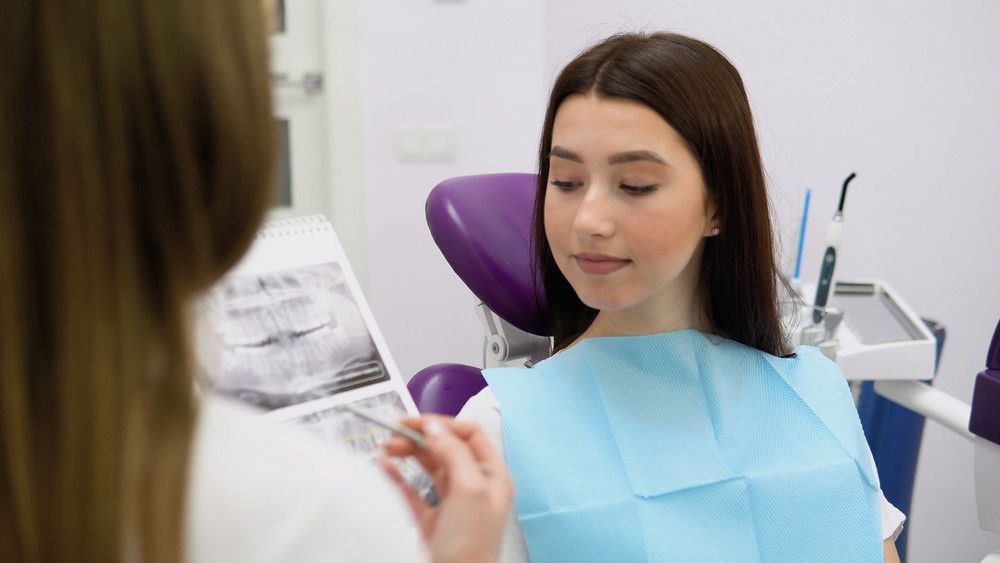
Your treatment begins with a consultation to determine whether aligners are appropriate for your smile. During this appointment, your dental provider will evaluate your teeth, gums, bite, and overall oral health. You will also have an opportunity to discuss your concerns and explain what you hope to achieve.
Your provider may use digital scans, photographs, and dental X-rays to assess your teeth and develop an accurate picture of your oral anatomy. These records help identify alignment issues and determine how your teeth may need to move throughout treatment.
The consultation is also a good time to discuss important details, such as:
- Your expected treatment timeline and the complexity of your case.
- The estimated cost of treatment and available payment options.
- How frequently will you need follow-up appointments?
- Any existing dental concerns should be addressed before treatment begins.
- Your responsibilities for wearing and caring for your aligners.
Zachary Papadakis, DDS, can help patients understand the available options and the factors that influence treatment planning. A thorough evaluation establishes realistic expectations and helps ensure that the chosen approach supports both the appearance and function of your smile.
Receiving Your Custom Treatment Plan
After your evaluation, your provider will develop a treatment plan based on your individual needs. Digital scans may be used to create a three-dimensional model of your teeth, allowing the planned movements to be mapped out in stages.
Your provider can explain the anticipated changes and give you an estimate of how long treatment may take. The timeline varies depending on the amount of movement required, the complexity of your alignment concerns, and how consistently you follow the treatment instructions.
Once your custom trays are ready, you will receive instructions for inserting, removing, and maintaining them. Your provider will also explain how often to switch to the next set. Following this schedule is important because each tray is designed for a specific stage of tooth movement.
Adjusting to Wearing Your Aligners
The first few days may require an adjustment period. You might notice pressure on your teeth when inserting a new tray, mild soreness, or temporary changes in your speech. These experiences are generally most noticeable when beginning treatment or switching to a new set.
The pressure indicates that the aligners are applying force to move your teeth. Mild discomfort often improves as your mouth adapts, although persistent or severe pain should be discussed with your dental provider.
Consistency is essential during this stage. Your provider will specify the recommended daily wear time, which typically ranges from 20 to 22 hours. You generally remove the trays for meals, drinking anything other than water, and cleaning your teeth.
Maintaining Your Daily Oral Hygiene Routine
Good oral hygiene remains important throughout orthodontic treatment. Because food particles and plaque can become trapped between your teeth and aligners, cleaning your teeth before reinserting the trays helps reduce the risk of cavities, gum irritation, and unpleasant odors.
Continue brushing twice daily with fluoride toothpaste and flossing at least once a day. Whenever possible, brush and floss after meals before putting your aligners back in. If brushing is temporarily unavailable, rinsing your mouth with water can help until you can clean your teeth properly.
Your daily routine should also include caring for the trays themselves.
- Rinse your aligners when removing them to help prevent saliva and debris from drying on the surface.
- Clean them according to your provider's instructions using appropriate products.
- Avoid hot water, which can warp the plastic and affect the fit.
- Store them in their protective case whenever they are not being worn.
- Avoid wrapping them in napkins, as they can easily be discarded by mistake.
You should also avoid eating or drinking sugary beverages while wearing your trays. Water is generally the safest beverage to consume when they are in place. Removing the meal trays and brushing your teeth afterward helps protect your enamel throughout treatment.
Attending Follow-Up Appointments
Regular checkups allow your provider to monitor progress and confirm that your teeth are moving as expected. During these visits, your provider may examine your bite, evaluate the fit of your current trays, and address any discomfort or concerns.
Appointments may also be used to provide your next set of aligners and determine whether adjustments to the original plan are necessary. If a tray does not fit properly or a tooth is not tracking as expected, your provider may recommend additional steps before you continue.
Completing Treatment and Maintaining Your Results
Reaching the end of your planned tray sequence is an important milestone, but it does not necessarily mean your orthodontic journey is finished. Your provider will assess your final alignment and determine whether additional trays are needed to refine the results.
Once your teeth reach their intended positions, you will typically transition to a retainer. Retainers help prevent teeth from gradually shifting back toward their previous positions, a process known as orthodontic relapse.
Start Your Journey Toward a Straighter Smile
Knowing what to expect during orthodontic treatment can make the experience more manageable and help you prepare for each stage. From your initial consultation and custom treatment plan to daily care, follow-up appointments, and long-term retention, every step contributes to achieving and maintaining a healthier-looking smile.
If you are considering clear aligners, Zachary Papadakis DDS can help you explore your options and determine whether this approach is appropriate for your needs. Contact Zachary Papadakis DDS today to schedule a consultation, discuss your smile goals, and take the first step toward a straighter, more confident smile.